 English
 Français
 Español
 Deutsch
 Italiano
 العربية



هاتف
:+86-755-86961139
بريد إلكتروني
:sales@vivo-light.com
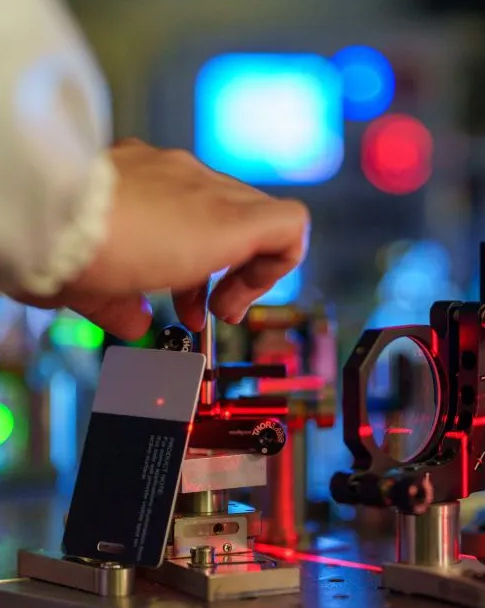

غالباً ما تواجه صعوبات عند محاولة إيجاد وريد مناسب لإدخال المحلول الوريدي، خاصةً لدى المرضى الذين يصعب تحديد أوردتهم. تصل نسبة المرضى الذين يفشلون في إدخال المحلول الوريدي من المحاولة الأولى إلى 30%، وقد يحتاج حوالي 20% منهم إلى عدة محاولات. هذه الصعوبات قد تسبب عدم الراحة والقلق وإضاعة الوقت. جهاز كشف الأوردة بمستوى المستشفيات يستخدم تقنية متطورة لعرض خريطة واضحة للأوردة، مما يجعل العملية أكثر سلاسة لك وللمرضى. يوضح الجدول أدناه كيف يُحسّن استخدام جهاز كشف الأوردة عالي الجودة المستخدم في المستشفيات الكفاءة السريرية ونتائج المرضى:【المصدر: بيانات مجمعة من دراسات تمت مراجعتها من قبل النظراء حول صعوبة الوصول إلى الوريد (DIVA) وتقنية تصوير الأوردة بالأشعة تحت الحمراء القريبة، بما في ذلك التجارب السريرية المنشورة في المجلات المفهرسة في PubMed.】
متري | قبل أجهزة كشف الأوردة | بعد أجهزة كشف الأوردة | تخفيض (٪) |
|---|---|---|---|
متوسط محاولات إدخال القسطرة الوريدية | 2.3 | 1.18 | 49 |
معدل النجاح من المحاولة الأولى | 44-77% | زيادة | غير متوفر |
التكلفة المهدرة لكل محاولة فاشلة | 28-35 دولارًا | مخفض | غير متوفر |
الوفورات السنوية المقدرة (مستشفى بسعة 100 سرير) | غير متوفر | 582,128 دولارًا | غير متوفر |
تُساعدك أجهزة مثل جهاز تحديد الأوردة بتقنية الإسقاط الضوئي من Vivolight وجهاز تحديد الأوردة المحمول المُستخدم في المستشفيات على تقديم رعاية أكثر أمانًا وراحة. ويعتمد العديد من الممرضين على جهاز تحديد الأوردة لتقليل التوتر وتحسين النتائج.
تعمل أجهزة تحديد الأوردة بشكل كبير على تحسين معدلات النجاح من المحاولة الأولى للوصول إلى الوريد، مما يقلل الحاجة إلى محاولات متعددة.
يقلل استخدام جهاز تحديد الأوردة من انزعاج المريض عن طريق تقليل عدد وخزات الإبر المطلوبة أثناء الإجراءات.
تعمل أجهزة الكشف المتقدمة عن الأوردة على تحسين سير العمل السريري، مما يسمح لمقدمي الرعاية الصحية بالعمل بكفاءة أكبر والتركيز على رعاية المرضى.
إن اعتماد جهاز تحديد الأوردة ذي الجودة الطبية يمكن أن يؤدي إلى توفير كبير في التكاليف للمستشفيات عن طريق تقليل هدر الإمدادات والعمالة.
تتميز أجهزة الكشف عن الأوردة بسهولة الاستخدام وقابلية التكيف، مما يجعلها أدوات فعالة لمختلف فئات المرضى والإعدادات السريرية.
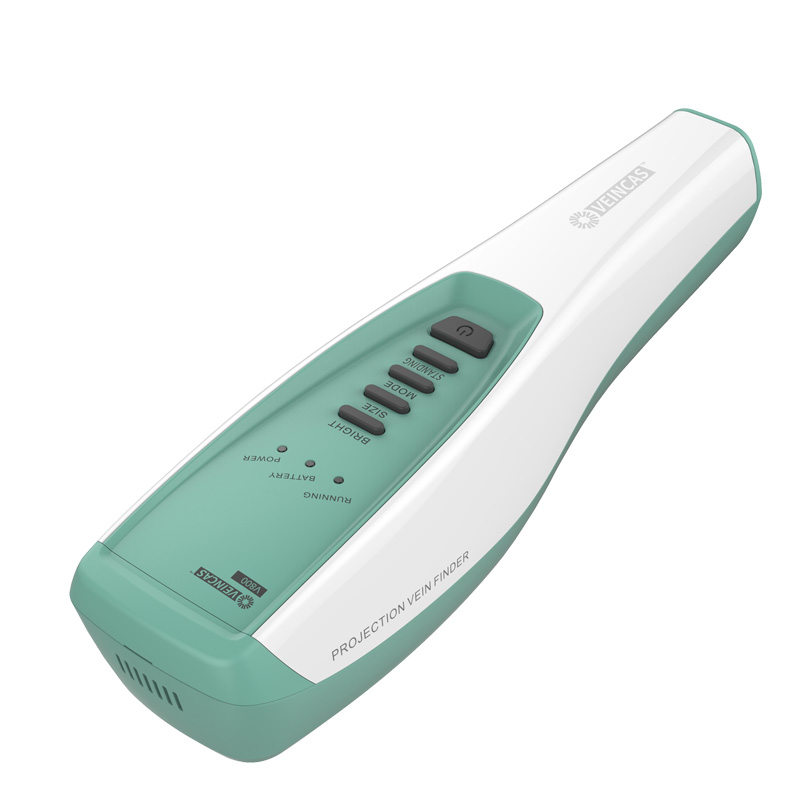
قد تواجه صعوبة في الوصول إلى الأوردة لدى العديد من المرضى نتيجة لمجموعة من الحالات الطبية. ومن أكثر الأسباب شيوعًا ما يلي:
التهابات الجلد
الحروق
إصابات أو عمليات جراحية حديثة
وذمة
التهاب الوريد أو التهاب الوريد الخثاري
ضعف الدورة الدموية
تاريخ الإصابة بتجلط الأوردة العميقة (DVT)
التدخلات الجراحية السابقة
الناسور الشرياني الوريدي
شلل
تواجه بعض فئات المرضى تحديات فريدة. يوضح الجدول أدناه كيف تؤثر صعوبة التعامل مع الأوردة على مختلف المجموعات:
عدد المرضى | التحديات التي واجهناها |
|---|---|
طب الأطفال | محاولات متعددة، صدمة نفسية |
كبير | الأوردة الهشة، الأوردة المتدحرجة |
بدين | صعوبة رؤية الأوردة بسبب الدهون تحت الجلد |
غالباً ما تحتاج الممرضات إلى جهاز تحديد الأوردة للتغلب على هذه العقبات، خاصة عندما تفشل الطرق التقليدية.
قد يُسبب صعوبة إدخال القسطرة الوريدية إحباطًا لك وللمرضى على حدٍ سواء. قد يشعر المرضى بألمٍ وقلقٍ متزايدين مع كل محاولة فاشلة. كما أن تكرار وخز الإبرة قد يؤدي إلى تفاقم الألم والضيق النفسي. أما بالنسبة للطاقم الطبي، فقد تُؤدي المحاولات المتعددة إلى إبطاء سير العمل وزيادة التوتر، خاصةً في المواقف الحرجة مثل إدخال القسطرة الوريدية في قسم الطوارئ. وقد تُلاحظ أيضًا تأخيرات في العلاج، مما قد يؤثر سلبًا على نتائج علاج المرضى.
نصيحة: استخدام جهاز تحديد الأوردة يمكن أن يساعد في تقليل عدد المحاولات، مما يجعل التجربة أكثر سلاسة لجميع المعنيين.
عندما تحتاج إلى عدة محاولات لإدخال القسطرة الوريدية، تزداد المخاطر. يوضح الجدول أدناه بعض المضاعفات السريرية الأكثر شيوعًا:
المخاطر السريرية | وصف |
|---|---|
انهيار وريدي | تصبح الأوردة غير قابلة للاستخدام بسبب الثقوب المتكررة، مما يجعل الوصول إليها في المستقبل أكثر صعوبة. |
التهاب الوريد | التهاب الوريد الناتج عن تهيج القسطرة. |
العدوى المرتبطة بالقسطرة | العدوى في موقع الإدخال أو في مجرى الدم بسبب هجرة البكتيريا. |
انسداد القسطرة | فقدان وظيفة القسطرة الوريدية، مما يمنع ضخ السوائل أو الأدوية. |
تسريب القسطرة | تسرب السوائل إلى الأنسجة المحيطة، وهو الشكل الأكثر شيوعاً لفشل القسطرة الوريدية. |
قد تؤدي محاولات إدخال المحلول الوريدي المتكررة إلى استنزاف الدم الوريدي، مما قد يستدعي إجراءات جراحية أكثر توغلاً. كما تزداد احتمالية الإصابة بالتهاب الوريد والعدوى المرتبطة بالقسطرة، خاصةً عند إدخالها في مناطق الانثناء أو فوق المفاصل. لذا، يُعدّ رصد مواقع إدخال المحلول الوريدي بحثًا عن علامات العدوى أمرًا بالغ الأهمية بعد عدة محاولات.
يمكن أن يساعدك جهاز تحديد الأوردة المستخدم في المستشفيات على تقليل هذه المخاطر عن طريق تحسين نسبة نجاح الوخزة الأولى، خاصة عند المرضى الذين يعانون من صعوبة في تحديد الأوردة.
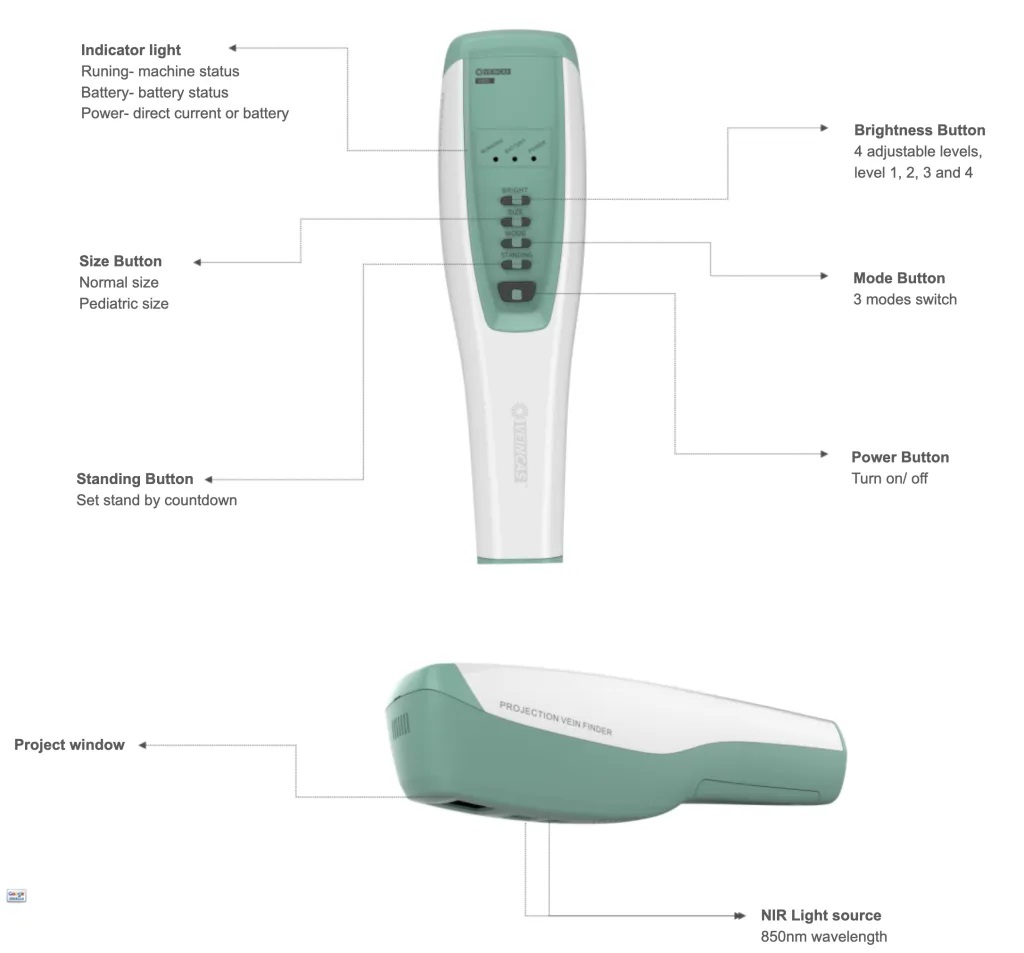
يمكنك استخدام جهاز كشف الأوردة لتحديد موقع الأوردة التي يصعب رؤيتها أو تحسسها. جهاز كشف الأوردة بتقنية الإسقاط الضوئي من فيفولايت يستخدم الجهاز تقنية تصوير متطورة تُسمى الأشعة تحت الحمراء القريبة (NIR). تُسلط هذه التقنية ضوءًا خاصًا على الجلد، يمتصه الدم في الأوردة. ثم يُنشئ الجهاز صورة مرئية واضحة للأوردة، مما يجعلها بارزة عن الأنسجة المحيطة. تستخدم جميع طرازات V900P وV800F وV800P من Vivolight هذه التقنية. كما يتضمن طراز V900P خاصية كشف العمق، التي تُساعدك على تحديد عمق الوريد قبل إدخال الإبرة. تُعد هذه الميزة مفيدة للغاية عند التعامل مع الأوردة الصعبة.
يُتيح لك جهاز تحديد الأوردة بالعرض المباشر رؤية خريطة فورية للأوردة على جلد المريض. يمكنك رؤية مكان إدخال الإبرة بدقة، مما يزيد من ثقتك ودقتك. يُعرض جهاز Vivolight لتحديد الأوردة الصعبة صورة واضحة، فلا داعي للتخمين أو الاعتماد على اللمس فقط. عند مقارنة رسم خريطة الأوردة في الوقت الفعلي بالتصوير التقليدي، ستلاحظ العديد من المزايا:
ميزة | رسم خرائط الأوردة في الوقت الحقيقي | التصور التقليدي |
|---|---|---|
دقة | أعلى | أدنى |
راحة المريض | محسّن | محدود |
نسبة النجاح في المحاولة الأولى | مُحسَّن | عامل |
يتضح أن استخدام أداة تحديد الأوردة للوصول إلى الوريد في الحالات الصعبة يُحسّن من دقة العملية وراحة المريض، كما يزيد من فرص نجاحها من المحاولة الأولى.
ستجد أن أجهزة كشف الأوردة بتقنية الإسقاط الضوئي من Vivolight سهلة الاستخدام. فهي خفيفة الوزن وقابلة للحمل، مما يتيح لك استخدامها بجانب سرير المريض أو في حالات الطوارئ. تتميز ببساطتها، مما يسمح لك بالتركيز على المريض بدلاً من الجهاز. وبفضل خاصية الإسقاط الفوري، لن تحتاج إلى شاشات إضافية. ستحصل على جميع المعلومات التي تحتاجها في المكان المناسب. يساعدك هذا التصميم سهل الاستخدام على العمل بسرعة أكبر ويقلل من التوتر لك وللمرضى.
نصيحة: استخدام أداة تحديد الأوردة يمكن أن يغير أسلوبك في سحب الدم، خاصة عندما تواجه حالات صعبة.
ترغب في تحقيق وصول وريدي فعال من المحاولة الأولى، خاصةً عند التعامل مع المرضى الذين يعانون من صعوبة في الوصول إلى الأوردة. يوفر لك جهاز تحديد الأوردة المستخدم في المستشفيات رؤية واضحة للبنية الوعائية، مما يزيد من نسبة نجاحك في المحاولة الأولى. عند مقارنة أجهزة تحديد الأوردة المستخدمة في المستشفيات بالتقنيات اليدوية، يكون الفرق واضحًا للغاية.
تقنية | معدل النجاح من المحاولة الأولى |
|---|---|
أجهزة كشف الأوردة بمستوى المستشفيات | 93% |
التقنيات اليدوية / أجهزة الأشعة تحت الحمراء القريبة | 45% |
باستخدام جهاز تحديد الأوردة عالي الدقة المستخدم في المستشفيات، يمكنك مضاعفة فرص نجاحك في إدخال القسطرة الوريدية من المحاولة الأولى تقريبًا. هذا التحسين يُسهم في تحسين نتائج المرضى ويُقلل من الإحباط الناتج عن المحاولات الفاشلة المتكررة. تُساعدك أجهزة مثل جهاز تحديد الأوردة بتقنية الإسقاط الضوئي Vivolight وجهاز تحديد الأوردة المحمول عالي الدقة المستخدم في المستشفيات على تحديد الأوردة بسرعة ودقة، حتى في الحالات الصعبة. يمكنك الاعتماد على هذه الأدوات لضمان إدخال القسطرة الوريدية بكفاءة لجميع فئات المرضى.
تُبرز العديد من الدراسات تأثير أجهزة تحديد الأوردة المتطورة. فعلى سبيل المثال، في المرضى الأطفال، أدى استخدام جهاز تصوير الأوردة إلى زيادة نسبة نجاح المحاولة الأولى من 47.4% إلى 91.7%. وفي المرضى الذين يعانون من السمنة، تحسنت نسبة نجاح المحاولة الأولى لإدخال القسطرة الوريدية بأكثر من ثلاثة أضعاف. تُظهر هذه النتائج أن جهاز تحديد الأوردة المُصمم للممرضين يُمكن أن يُحدث نقلة نوعية في أسلوبهم في سحب الدم الوريدي، ويؤدي إلى وصول وريدي أكثر اتساقًا ونجاحًا.
[المصدر: بيانات مجمعة من دراسات سريرية حول تقنية تصوير الأوردة بالأشعة تحت الحمراء القريبة (NIR)، بما في ذلك التجارب العشوائية المضبوطة المنشورة في مجلة رعاية الطوارئ للأطفال وغيرها من المجلات المتخصصة في الوصول إلى الأوعية الدموية والتي تخضع لمراجعة الأقران.]
أنت تعلم أن راحة المريض أولوية قصوى أثناء سحب الدم. يقلل جهاز تحديد الأوردة المستخدم في المستشفيات من الشعور بعدم الراحة عن طريق تقليل عدد مرات وخز الإبرة المطلوبة. عند استخدام جهاز تحديد الأوردة في حالات صعوبة الوصول إلى الوريد، يمكنك رؤية الأوردة بوضوح، مما يعني تقليل المحاولات الفاشلة وتخفيف الألم على المرضى. يلخص الجدول التالي كيفية مساهمة هذه الأجهزة في تقليل الشعور بعدم الراحة:
نوع الدليل | وصف |
|---|---|
رؤية محسّنة | تعمل أجهزة الكشف عن الأوردة على تحسين القدرة على رؤية الأوردة، مما يؤدي إلى تقليل محاولات الحقن بالإبر. |
تقليل الشعور بعدم الراحة | يؤدي انخفاض عدد مرات الوخز إلى تقليل الألم والقلق لدى المرضى. |
معدل نجاح مُحسّن | زيادة فرص نجاح إدخال القسطرة الوريدية من المحاولة الأولى تقلل من المضاعفات. |
يساعدك جهاز تحديد الأوردة عالي الجودة المستخدم في المستشفيات على تلبية احتياجات فئات خاصة من المرضى، كالأطفال وكبار السن. ففي الأطفال ذوي الاحتياجات الصحية الخاصة، يزيد استخدام هذا الجهاز من معدلات نجاح الوصول إلى الأوردة ويقلل من عدد المحاولات اللازمة. كما يوفر استخدام جهاز تحديد الأوردة المحمول عالي الجودة تجربة أكثر راحة للمرضى في أي مكان.
تتحسن سلامة المرضى ورضاهم أيضًا مع التكنولوجيا المتقدمة. يوضح الجدول أدناه كيف تؤثر أجهزة الكشف عن الأوردة المستخدمة في المستشفيات على هذه العوامل المهمة:
ميزة | التأثير على سلامة المرضى | التأثير على رضا المرضى |
|---|---|---|
دقة سحب الدم الوريدي | يقلل من وخز الإبر | يقلل من الشعور بعدم الراحة والقلق |
رسم الخرائط المرئية في الوقت الفعلي | يعزز الوصول السريع | يحسن التجربة العامة |
الامتثال للمعايير الطبية | يضمن السلامة | يبني الثقة في التكنولوجيا |
عندما يراك المرضى تستخدم أدوات متطورة مثل جهاز تحديد الأوردة بتقنية الإسقاط الضوئي Vivolight، يشعرون بمزيد من الثقة والرضا عن الرعاية التي يتلقونها. كما تستفيد المستشفيات أيضاً، إذ أن ارتفاع معدلات رضا المرضى قد يؤدي إلى تحسين التعويضات المالية وتعزيز السمعة.
ملاحظة: غالبًا ما يرتبط تعويض المستشفى ارتباطًا مباشرًا بتقييمات رضا المرضى. قد يؤدي تكرار وخز الإبر إلى انخفاض هذه التقييمات، ولكن استخدام جهاز تحديد الأوردة للممرضات يساعد على تجنب المحاولات المتكررة.
ترغب في العمل بكفاءة وتقديم أفضل رعاية ممكنة. يُسهّل جهاز تحديد الأوردة عالي الجودة سير عملك بتقليل الوقت اللازم لسحب الدم. عند استخدام هذا الجهاز للأوردة الصعبة، يمكنك تحديد موقعها والوصول إليها بسرعة أكبر، وهو أمر بالغ الأهمية في بيئات العمل السريرية المزدحمة.
أجهزة متطورة للكشف عن الأوردة تساهم هذه التقنية في زيادة معدلات نجاح المحاولة الأولى، وهو أمر بالغ الأهمية في المستشفيات والعيادات. إذ تُقلل من الوقت المُستغرق في البحث عن الأوردة، وتُتيح مزيدًا من الوقت للتركيز على رعاية المرضى. في طب الأطفال، حيث يصعب العثور على الأوردة الصغيرة، يُقلل جهاز تحديد الأوردة بالبثق من عدد المحاولات الفاشلة ويُقصر مدة الإجراء. على سبيل المثال، ينخفض متوسط وقت الإجراء من ست دقائق إلى ثلاث دقائق عند استخدام جهاز تحديد الأوردة المُستخدم في المستشفيات. هذه الكفاءة تُؤدي إلى تقليل المضاعفات وزيادة رضا المرضى.
كما ستلاحظ تحسناً في نتائج علاج المرضى عند استخدام جهاز تحديد الأوردة المحمول ذي الجودة الطبية. فقلة المحاولات الفاشلة تعني انخفاض خطر حدوث مضاعفات، مثل التهاب الوريد أو تسرب السوائل. وبذلك، يمكنك توفير وصول وريدي أكثر أماناً وفعالية لكل مريض، بغض النظر عن عمره أو حالته الصحية.
تؤكد دراسات الحالة هذه الفوائد. ففي المرضى الأطفال، أدى استخدام جهاز تصوير الأوردة إلى تقليل مدة القسطرة من 172.65 ثانية إلى 37.24 ثانية، وخفض عدد المحاولات من 2.23 إلى 1.08. تُظهر هذه التحسينات كيف يُمكن لجهاز تحديد الأوردة المُستخدم في المستشفيات أن يُحدث نقلة نوعية في سير العمل السريري، ويؤدي إلى نتائج أفضل للمرضى.
نصيحة: إن استخدام جهاز تحديد الأوردة عالي الجودة والمخصص للاستخدام في المستشفيات لا يُحسّن كفاءتك فحسب، بل يُعزز تجربة المريض بشكل عام. فباستخدام التكنولوجيا المناسبة، يمكنك تقديم رعاية أكثر أمانًا وسرعة وراحة.
[المصدر: استنادًا إلى التجارب السريرية التي تقيّم تقنية تصوير الأوردة بالأشعة تحت الحمراء القريبة (NIR) في قسطرة الأوردة الطرفية لدى الأطفال (PIVC)، وتقارن مدة الإجراء ومعدلات النجاح.]
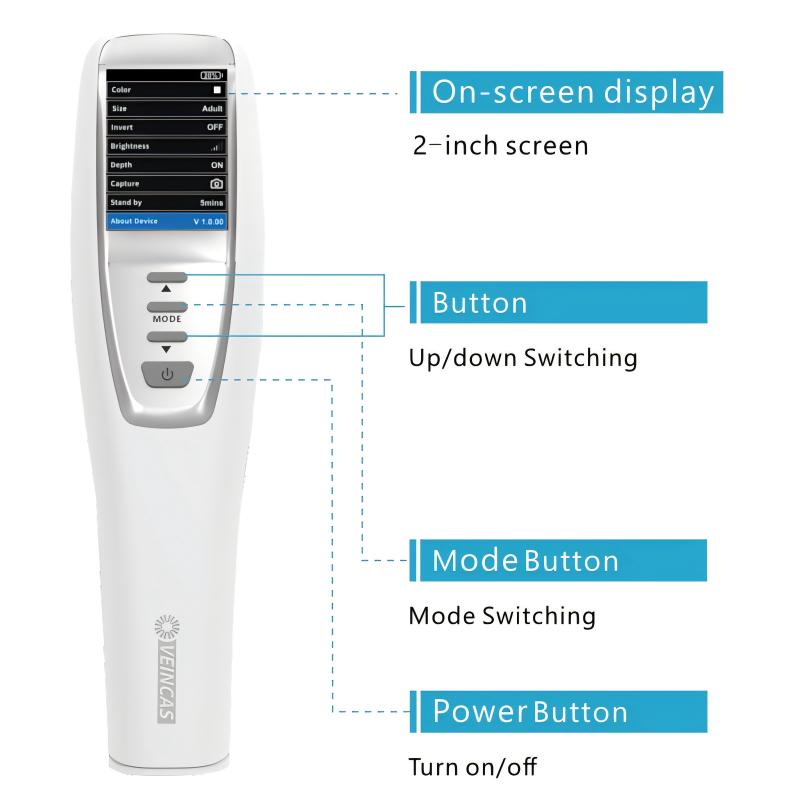
عند الاعتماد على التقنيات اليدوية للوصول إلى الوريد، ستواجه العديد من التحديات. يعاني العديد من المرضى من حالات تجعل من الصعب العثور على الأوردة أو الوصول إليها. قد تلاحظ هذه القيود الشائعة:
يعاني مرضى السكري غالباً من أمراض الأوعية الدموية الطرفية وتغيرات في سلامة الجلد. هذه العوامل تجعل من الصعب عليك تحديد وريد مناسب.
قد يعاني الأشخاص الذين لديهم تاريخ في تعاطي المخدرات عن طريق الحقن الوريدي من تلف في الأوردة. وهذا يزيد من خطر حدوث مضاعفات ويجعل الوصول التقليدي أكثر صعوبة.
عادةً ما يكون لدى المرضى كبار السن جلد أرق وأوردة هشة. قد تلاحظ المزيد من الكدمات وتواجه صعوبات إضافية أثناء إدخال القسطرة الوريدية.
غالباً ما تتطلب الطرق اليدوية الاعتماد على اللمس والبصر فقط، مما قد يؤدي إلى محاولات متعددة، وزيادة انزعاج المريض، وإطالة مدة الإجراء. كما قد تلاحظ ارتفاعاً في معدلات المضاعفات، مثل الكدمات أو التسرب، خاصةً لدى المرضى ذوي التاريخ الطبي المعقد.
ملاحظة: يمكن أن تكون التقنيات اليدوية مرهقة بشكل خاص في حالات الطوارئ أو مع المرضى الذين لديهم تاريخ من صعوبة الوصول إلى الوريد.
عند استخدام جهاز كشف الأوردة، ستحصل على العديد من المزايا المهمة مقارنةً بالطرق اليدوية. تستخدم أجهزة مثل جهاز كشف الأوردة بتقنية الإسقاط تقنية الأشعة تحت الحمراء القريبة (NIR) لمساعدتك على رؤية الأوردة بوضوح، حتى لدى المرضى الذين يعانون من صعوبة في تحديد الأوردة. إليك بعض الفوائد الرئيسية:
أنت بذلك تحسن معدل نجاحك في المحاولة الأولى لإدخال القنية الوريدية.
تقلل بذلك العدد الإجمالي للمحاولات اللازمة للوصول إلى الوريد.
يقل الوقت اللازم لإدخال القنية، مما يساعدك على العمل بكفاءة أكبر.
أفاد المرضى بانخفاض مستويات الألم أثناء عملية سحب الدم الوريدي الموجهة بالأشعة تحت الحمراء القريبة، مما أدى إلى تجربة أفضل.
ستلاحظ انخفاضاً في المضاعفات الموضعية، مثل التهاب الأوردة والورم الدموي، مما يدعم التعافي بشكل أكثر سلاسة.
يُمكن لجهاز تحديد الأوردة الصعبة أن يُحدث نقلة نوعية في أسلوبك في إدخال القسطرة الوريدية. إذ يُتيح لك تقديم رعاية أكثر أمانًا وسرعة وراحة لكل مريض. كما تُساعدك التقنيات الحديثة في تحقيق نتائج أفضل وزيادة رضا المرضى.
نصيحة: استخدام أداة تحديد الأوردة للوصول إلى الوريد في الحالات الصعبة يمكن أن يحدث فرقًا كبيرًا في كل من الحالات الروتينية والصعبة.
عند اختيار جهاز كشف الأوردة المستخدم في المستشفيات، يجب التأكد من مطابقته لأعلى معايير السلامة والأداء. ابحث عن الأجهزة التي تستخدم تقنية الأشعة تحت الحمراء القريبة، حيث تُنشئ هذه التقنية خريطة عالية الدقة للأوردة على الجلد في الوقت الفعلي. تُساعدك هذه الميزة على إجراء عملية سحب دم دقيقة، حتى في الحالات الصعبة. من بين هذه الأجهزة، طرازات Vivolight، مثل... V800F و V800Pتوفر هذه التقنية تصويرًا متقدمًا وكشفًا ذكيًا للعمق، وهما أمران ضروريان لوضع الإبرة بدقة.
ضع في اعتبارك هذه الميزات المهمة:
ميزة | وصف |
|---|---|
الامتثال لمعايير السلامة | يفي بمعايير السلامة لحماية المرضى. |
الكفاءة التشغيلية | يندمج بسلاسة في سير عملك، مما يوفر الوقت ويقلل من احتياجات التدريب. |
استقرار | يوفر أداءً ثابتاً لنتائج موثوقة. |
دعم ما بعد الشراء | يوفر الدعم والصيانة المستمرة للاستخدام طويل الأمد. |
ينبغي عليك أيضاً البحث عن جهاز يتميز بعرض عالي الدقة، وخاصية الكشف عن العمق، وأنماط ألوان قابلة للتخصيص. تُعدّ المتانة أمراً بالغ الأهمية، خاصةً إذا كنت بحاجة إلى تنظيف الجهاز بشكل متكرر. يمنحك جهاز كشف الأوردة المحمول، المصمم للاستخدام في المستشفيات، مرونةً في التنقل بين الأقسام أو غرف المرضى بكل سهولة.
نصيحة: اختاري جهاز كشف الأوردة الخاص بالممرضات والذي يتكيف مع درجات لون البشرة المختلفة وأنواع الأوردة للحصول على أفضل النتائج.
يُعدّ جهاز تحديد الأوردة عالي الدقة والمُستخدم في المستشفيات أداةً فعّالة في العديد من البيئات السريرية. ففي طب الأطفال ووحدات العناية المركزة لحديثي الولادة، غالبًا ما تواجه أوردةً صغيرةً وحساسة. وتُعدّ الأجهزة ذات الحساسية للأوردة السطحية والتصوير غير التلامسي، مثل... فيفولايت V800Fتساعدك هذه التقنية على رؤية الأوردة بوضوح دون الحاجة إلى محاولات متكررة، مما يقلل من خطر الإصابة والعدوى لدى المرضى الصغار.
في مجال طب الأورام، قد يعاني المرضى من هشاشة الأوردة نتيجة العلاج الكيميائي. يوفر التصوير عالي الدقة باستخدام جهاز كشف الأوردة المحمول، المصمم للاستخدام في المستشفيات، دعمًا للعلاج المستمر ويقلل من تلف الأوعية الدموية. تستفيد أقسام الطوارئ من الوصول السريع والموثوق إلى الأوردة. يمكنك استخدام جهاز كشف الأوردة المحمول، المصمم للاستخدام في المستشفيات، لتحسين الكفاءة والحفاظ على مكافحة العدوى أثناء الحالات الطارئة.
ستجد أن جهاز تحديد الأوردة عالي الجودة والمخصص للاستخدام في المستشفيات يتكيف مع مجموعة واسعة من المرضى والبيئات السريرية. سواء كنت تعمل في قسم طوارئ مزدحم، أو وحدة طب أطفال، أو جناح أورام، فإن هذه الأجهزة تساعدك على تقديم رعاية أكثر أمانًا وفعالية. توفر أجهزة تحديد الأوردة بتقنية الإسقاط الضوئي من Vivolight ميزات تلبي احتياجاتك في جميع هذه البيئات.
شاهد كيف يُحدث جهاز تحديد الأوردة نقلة نوعية في رعاية المرضى الذين يعانون من صعوبة في إدخال القسطرة الوريدية. تزيد الأجهزة المتطورة من معدلات النجاح، وتقلل من حالات وخز الإبر، وتوفر وقتًا ثمينًا. وتستفيد المستشفيات من انخفاض التكاليف وتحسين رضا المرضى.
تعمل التقنيات المحسّنة على تقليل التعقيدات وتحسين سير العمل.
تعد التوجهات المستقبلية بحلول أكثر ذكاءً وتكاملاً لتحقيق نتائج أفضل.
نوع الدليل | تأثير التكلفة |
|---|---|
هدر في الإمدادات والعمالة لكل محاولة | 28-35 دولارًا لكل محاولة إضافية لإدخال العصا |
الوفورات السنوية المقدرة لمستشفى بسعة 100 سرير | 582,128 دولارًا |
ضع في اعتبارك استخدام جهاز Vivolight لإجراء عملية سحب الدم الوريدي بشكل أكثر أمانًا وكفاءة.
[المصدر: تقديرات اقتصادية مستمدة من تحليلات سير العمل المنشورة للوصول إلى الأوعية الدموية، ونماذج التشغيل في المستشفيات، ودراسات مقارنة التكاليف الصناعية المتعلقة بالوصول الوريدي المحيطي.]
يستخدم جهاز تحديد الأوردة بتقنية الإسقاط الضوئي ضوء الأشعة تحت الحمراء القريبة لعرض خريطة فورية للأوردة على الجلد. يمكنك رؤية الأوردة بوضوح، مما يساعدك في العثور على أفضل مكان لإدخال المحلول الوريدي.
تقلل من عدد مرات وخز الإبر وتزيد من نسبة نجاح المحاولة الأولى. يشعر المرضى بألم وقلق أقل. تعمل بشكل أسرع وتوفر رعاية أكثر أمانًا، خاصةً لمن يعانون من صعوبة في العثور على الأوردة.
يمكن استخدام أجهزة فيفولايت للبالغين والأطفال وكبار السن. تتكيف هذه التقنية مع مختلف ألوان البشرة وأنواع الأوردة، مما يضمن نتائج موثوقة في العديد من البيئات السريرية.
يمكنك استخدام الجهاز بسهولة. أدوات التحكم بسيطة وبديهية. يمكنك استخدامه بجانب سرير المريض أو في حالات الطوارئ دون الحاجة إلى تدريب إضافي.
يمكنك رؤية الأوردة في الوقت الفعلي بدقة عالية، مما يجنبك التخمين أو الاعتماد على اللمس فقط. تساعدك أجهزة تحديد الأوردة من Vivolight على تحقيق نتائج أفضل في حالات صعوبة إدخال القسطرة الوريدية.
مراجع
تنويه: محتوى هذه المقالة مُقدّم لأغراض تبادل المعرفة والمعلومات في هذا المجال فقط. ولا يُعدّ إعلانًا أو ترويجًا لمنتج أو نصيحة طبية.
ترك رسالة
مسح ضوئي إلى WhatsApp :

 IPv6 الشبكة المدعومة